


In 2025, as hyperlocal sourcing and nutrient-dense ingredients dominate fine dining trends, are microgreens still a chef’s secret weapon—or have they evolved into essential superfoods for sustainable, health-focused menus?
Microgreens—especially nutrient-rich varieties like broccoli, radish, cabbage, rocket, kohlrabi, fenugreek, red clover, alfalfa, red beet, and pea—are the perfect tool to achieve this.
These tiny greens deliver vibrant colour, intense flavour, and unparalleled nutrition, often packing up to 40 times the nutrients of mature vegetables, transforming any dish into a standout creation.
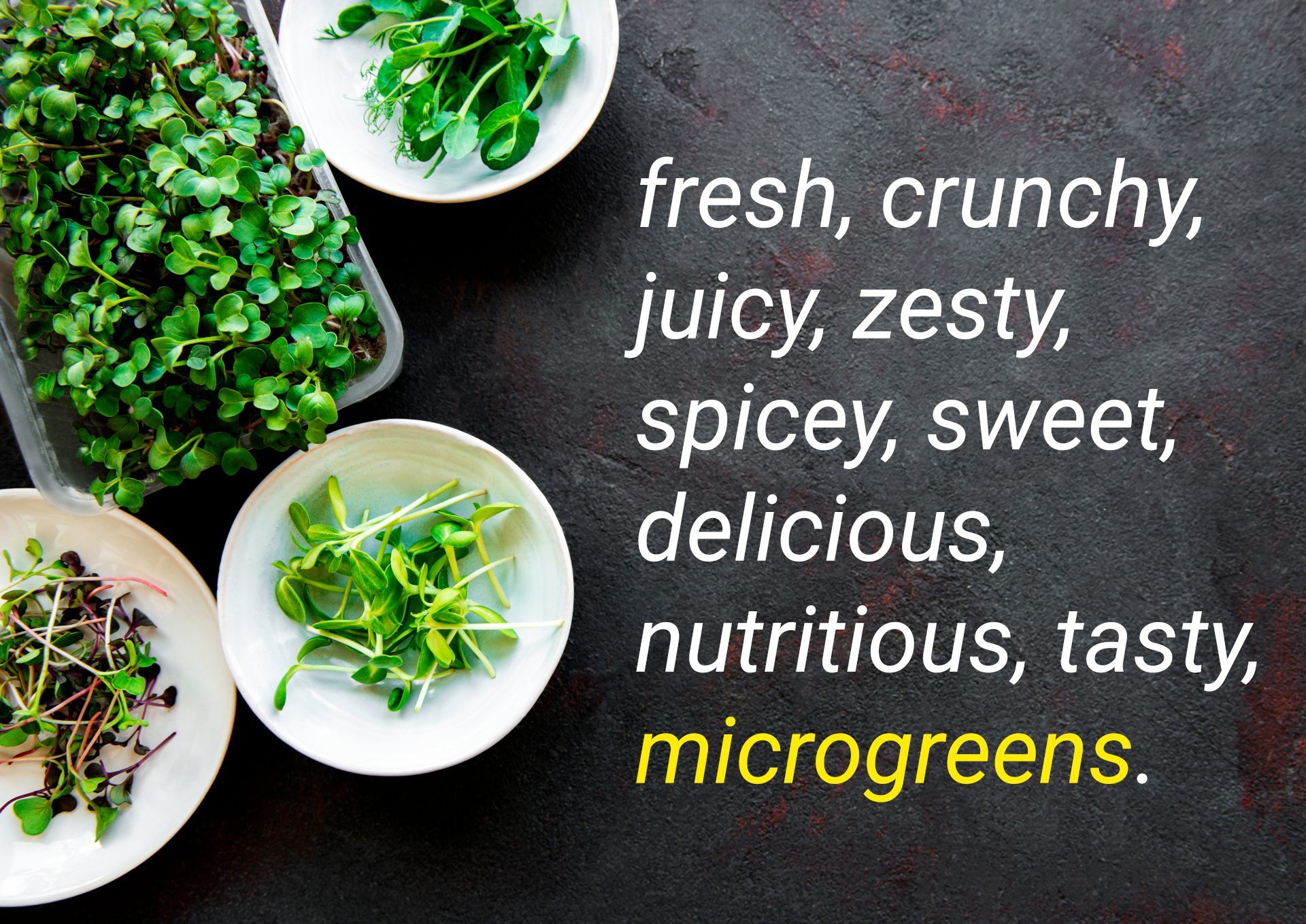
In this guide, we’ll explore how chefs can unlock the full potential of these microgreens in cooking, from enhancing flavours to creating visually stunning plates.
Whether you’re a professional chef incorporating them into zero-waste, plant-based menus or a home cook passionate about urban gardening, discover how to grow microgreens and incorporate them into your culinary repertoire for effortless success and eco-friendliness.
The Versatility of Microgreens in the Kitchen
Microgreens are one of the most versatile ingredients in any chef’s arsenal. With unique flavour profiles, textures, and nutrient density, they allow for endless creativity in the kitchen, from garnishes in fine dining to integrations in casual, sustainable dishes.
Our varieties at Skye Mountain Microgreens—broccoli, radish, cabbage, rocket, kohlrabi, fenugreek, red clover, alfalfa, red beet, and pea—each offer something special for chefs to experiment with.
These sustainable microgreens are grown using chemical-free methods, packing up to 40 times the nutrients of mature vegetables.
Growing microgreens is simple and beginner-proof, especially with our Water Once punnets featuring MicroWick™ technology. This ensures effortless hydration with just one watering, no mould or mess, and a harvest in 7-10 days.
For chefs looking to scale up, a bespoke commercial GrowGarden™ can provide energy-efficient LEDs and optional heat mats for consistent results in most settings.
For more inspiration, check out our blog post on 5 Delicious Ways to Use Microgreens in Your Cooking.
Spotlight on Top Varieties: Flavor Profiles and Chef-Inspired Uses
To streamline your choices, here’s a table of our key microgreens varieties, their flavors, and innovative 2025 uses like blending into cocktails or pairing with lab-grown proteins. For full instructions and ideas, explore our guide on the versatility of microgreens.
| Variety | Flavor Profile | 2025 Chef Uses | Product Link |
|---|---|---|---|
| Broccoli | Mild, slightly peppery | Incorporate into nutrient-packed smoothie bowls or lab-grown meat pairings; garnish seared scallops or chilled soups. | Buy Broccoli Microgreens |
| Radish | Intensely spicy, crisp | Sprinkle on tacos or burgers; mix in zesty salads or garnish broths for invigorating notes. | Buy Radish Microgreens |
| Cabbage | Sweet with sharp, mustardy edge | Enhance coleslaws or layer in wraps; toss into stir-fries at the end for vitamin retention. | Explore in Shop |
| Rocket | Bold, mustard-like zing | Top pizzas or pastas; pair with seafood or fold into frittatas for a nutrient boost. | Buy Rocket Microgreens |
| Kohlrabi | Mildly sweet, crisp | Garnish roasted veggies or fruit tarts; blend into smoothies for a refreshing base. | Buy Kohlrabi Microgreens |
| Fenugreek | Nutty, aromatic with maple-curry notes | Stir into curries or stews; sprinkle on breads or infuse teas for healthful depth. | Buy Fenugreek Microgreens |
| Red Clover | Fresh, mild nutty | Add to salads or smoothies; garnish cheeses or charcuterie for subtle texture. | Buy Red Clover Microgreens |
| Alfalfa | Crisp, mild nutty | Layer in wraps or seafood dishes; blend into juices for a nutrient kick. | Buy Alfalfa Microgreens |
| Red Beet | Earthy, slightly sweet | Garnish roasted dishes or salads; top desserts for vibrant contrast. | Buy Red Beet Microgreens |
| Pea | Sweet, tender | Stir into risottos or garnish soups; combine in garden-fresh salads. | Buy Pea Microgreens |
Chef’s Bundles: Flavor Profiles for Culinary Creativity
Our chef’s bundles combine microgreens with complementary flavours to inspire vibrant dishes for culinary professionals and home cooks.
These bundles are available through our best microgreen subscription kits UK, ensuring fresh deliveries for your kitchen.
Here’s a comparison of our Chef’s Bundles, with added pairing suggestions for 2025 trends like hyperlocal cocktails or plant-based pairings:
Spicy & Bold Bundle (3 Microgreens)
- Microgreens Included: Rocket, Radish, Cabbage

- Flavor Profile: Rocket: Peppery, mustard-like zing; Radish: Intensely spicy and crisp; Cabbage: Sweet with a sharp, mustardy edge
- Culinary Uses: Elevates tacos, sandwiches, or charcuterie boards with a fiery kick
- Pairing Suggestions: With fatty meats or avocado for balance; in hyperlocal cocktails for spice.
- Why Chefs Love It: Adds punchy, contrasting flavours to rich dishes

Earthy & Aromatic Bundle (4 Microgreens)
- Microgreens Included: Fenugreek, Broccoli, Kohlrabi, Red Beet
- Flavor Profile: Fenugreek: Mildly bitter with nutty, maple-like sweetness and curry undertones; Broccoli: Fresh, vegetal with a slightly peppery note; Kohlrabi: Mildly sweet and crisp with radish-turnip freshness; Red Beet: Earthy, slightly sweet with a mild beet flavor
- Culinary Uses: Perfect for risottos, roasted vegetable plates, or creamy soups
- Pairing Suggestions: With roasted veggies or plant-based proteins for depth; in zero-waste stews.
- Why Chefs Love It: Offers earthy, aromatic, and subtly sweet notes for complex dishes

Fresh & Bright Bundle (2 Microgreens)
- Microgreens Included: Alfalfa, Kohlrabi
- Flavor Profile: Alfalfa: Fresh, crisp with a mild, nutty taste; Kohlrabi: Mildly sweet, crisp, radish-turnip note
- Culinary Uses: Enhances fresh salads, seafood dishes, or dessert garnishes (e.g., kohlrabi on fruit tarts). Perfect for light, summery plates
- Pairing Suggestions: With seafood or fruits for brightness; in smoothies or edible botanicals.
- Why Chefs Love It: Brings bright, sweet freshness to delicate dishes, adding visual appeal
These bundles tie into our commercial microgreen systems for chefs, allowing for bulk growing.
Microgreens and Flavour Pairing Mastery
One of the keys to creating memorable dishes is understanding how to pair flavours effectively. Microgreens can be a powerful tool in any chef’s flavour-pairing arsenal, thanks to their intense and unique taste profiles.
- Pair spicy microgreens like radish or rocket with rich, fatty ingredients like avocado or crispy pork belly to balance out the flavours and create umami explosions.
- Use delicate, mild microgreens like pea or alfalfa to add a fresh, green note to creamy soups or risottos, enhancing comfort foods with crisp texture.
- Combine bold, peppery microgreens like cabbage or kohlrabi with sweet, juicy fruits like strawberries or watermelon for a refreshing salad, ideal for summer menus.
- Garnish grilled meats or roasted vegetables with hearty, robust microgreens like red beet or fenugreek for a pop of colour, nutrition, and exotic aroma.
By focusing on these pairings, you can grow your own superfoods at home and experiment endlessly, aligning with 2025’s focus on sustainable, hyperlocal ingredients.
Elevating Plating with Microgreens
In addition to their incredible flavour, microgreens can elevate the visual appeal of any dish.
Their vibrant colours and delicate textures add elegance and sophistication to a plate, perfect for Instagram-worthy presentations in 2025.
- Use contrasting colours of microgreens to create a visually striking garnish, like bright red beet against deep green broccoli, encouraging mindful eating.
- Create height and texture by mounding delicate microgreens like pea or red clover in the centre of your dish for restaurant-quality appeal.
- Use larger, more robust microgreens like kohlrabi or fenugreek to create a bed for your main ingredient, adding both colour and nutrition to proteins like fish or tofu.
- Experiment with different plating techniques, like scattering microgreens across your plate for a rustic look or using them to create precise, geometric shapes for a modern aesthetic.
These techniques make microgreens for detox and anti-inflammatory diets not just healthy but visually stunning.
Health Benefits and Sustainability of Microgreens
Beyond flavour and aesthetics, microgreens offer remarkable health benefits. For instance, broccoli microgreens are sulforaphane-rich, which studies show supports detoxification, reduces inflammation, and may aid in cancer prevention and heart health.
All our varieties are nutrient-rich microgreens with up to 40 times the vitamins of mature veggies, promoting effortless health boosts.
Sustainability is at our core. Our systems use 90% less water, 100% recycled packaging, and UK-sourced seeds.
Through the Grow & Give initiative, every purchase supports local charities, making your choice impactful.
Learn more about the benefits in our post on The Surprising Health Benefits of Microgreens.
Growing Your Own Microgreens for Chefs
While many chefs source microgreens, growing your own ensures freshness and control. It’s perfect for how to grow microgreens in 7 days without soil using our kits.
Our Water Once punnets with MicroWick™ technology make it beginner-proof.
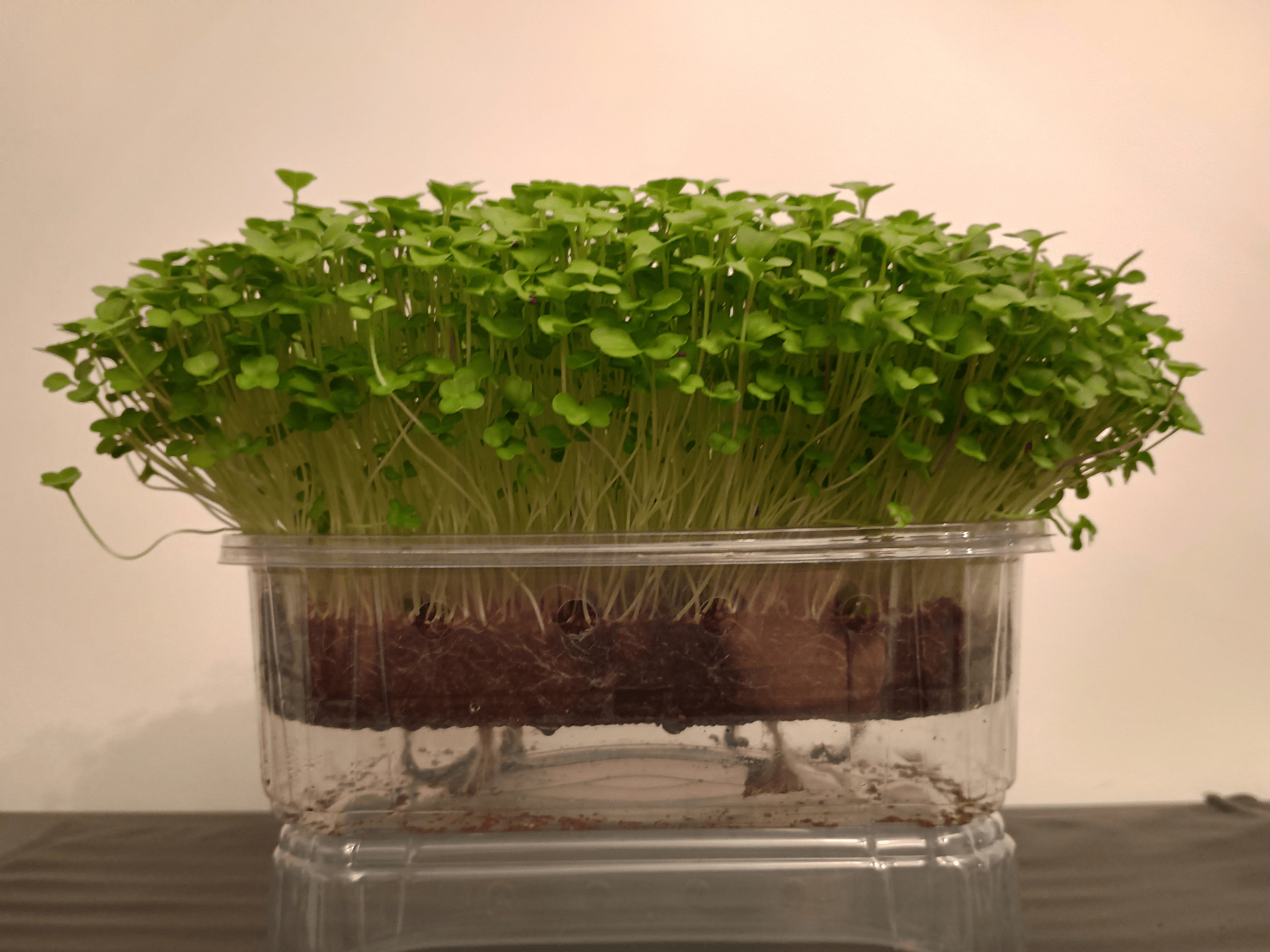
Check out our comprehensive growing guide or explore eco-friendly indoor grow systems for flats.
For chefs, Skye Mountain Microgreens are an essential ingredient. With their versatility, intense flavours, and stunning appeal, they elevate dishes while supporting health and sustainability.
Experiment with our varieties and bundles to create masterpieces.
Start your subscription today or shop now to enjoy effortless microgreen success. Join the Growers Club for tips and support.
Grow fresh, live green—your diners will thank you!
FAQs:
- How to store microgreens? Refrigerate in a container with paper or better still bamboo paper for 5-7 days. For longer freshness, see our guide.
- Best varieties for pesto? Rocket and Broccoli for zesty flavour, blending their peppery notes with nuts and oil. See more in our Microgreens FAQs.
- How do I incorporate microgreens into detox diets? Use sulforaphane-rich like Broccoli in smoothies/salads for liver support. Learn about sulforaphane benefits.
- Can microgreens be cooked? Best raw, but lightly wilt in soups/stir-fries to retain nutrients. Check our troubleshooting guide for tips.
- What’s the easiest way to start using microgreens? Sprinkle on salads or blend into smoothies for quick wins. Explore top varieties to grow at home.
Useful Links:
- Shop Health/Chef’s Bundles for recipe-ready varieties at our shop.
- Subscribe to microgreen kits for fresh, home-grown ingredients. Start your subscription today or shop now to enjoy effortless microgreen success.
- Join Growers Club for exclusive recipes and tips via our community project.